2026-11-11 ·
Checking Your Roof After a Wind or Hail Storm
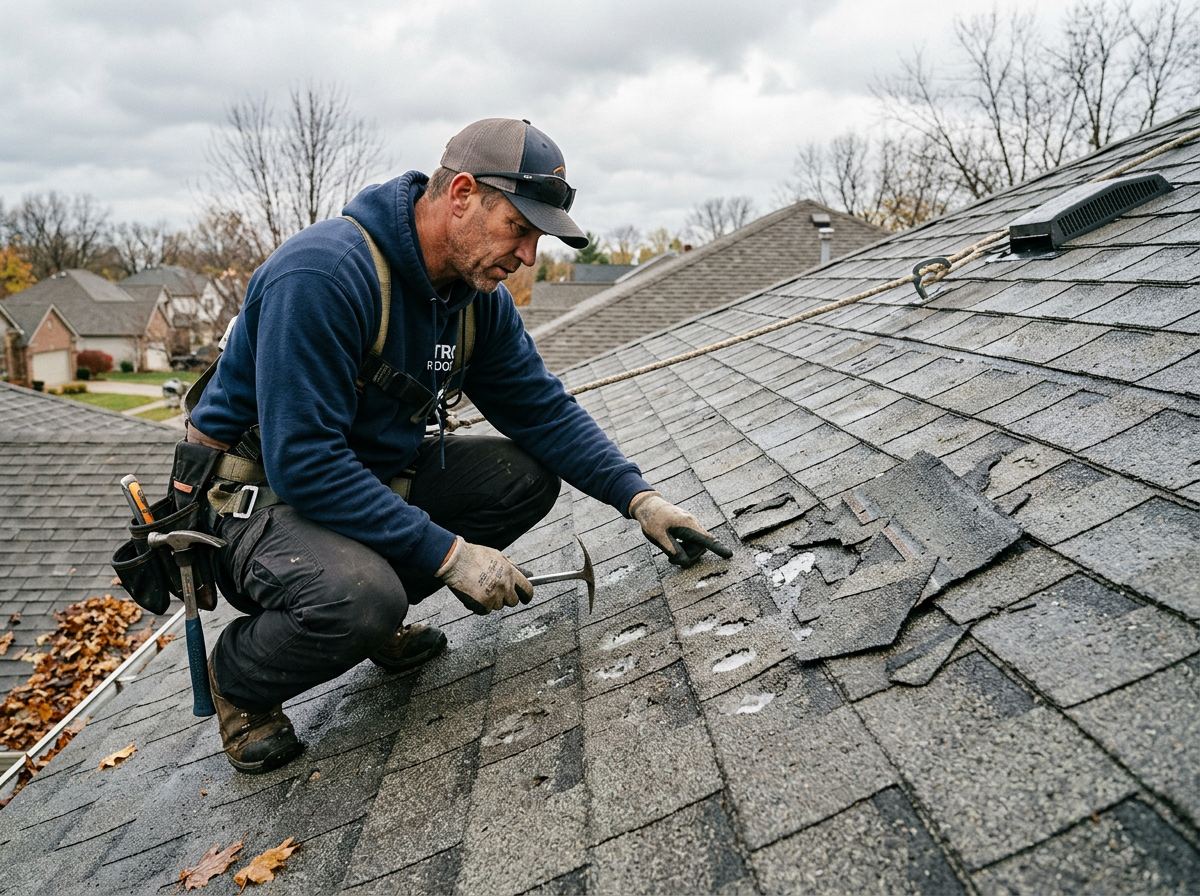
After a wind or hail storm hits Troy, start your roof check by walking the property perimeter to spot displaced shingles or granules on the ground, then move inside to scan the attic for daylight or water stains. This sequence reveals visible exterior clues and hidden interior issues common along corridors like Big Beaver and Rochester Road.
Ground-Level Exterior Checks
Begin outside in neighborhoods near the Somerset Collection or Troy Historic Village by scanning the lawn and driveway for shingles, flashing pieces, or hail dents on gutters. Look closely at south and west exposures, which often take the brunt of storms rolling through Oakland County. Note any uneven roof lines visible from the street or yard, especially on homes near Oakland Mall. Check downspouts and landscaping beds for accumulated debris that might indicate lifted shingles higher up. These observations help map potential problem zones without climbing. If damage appears concentrated, compare findings with nearby properties in Royal Oak or Birmingham to gauge storm path severity.
Attic and Interior Inspection
Move inside and examine the attic space for light penetration through the decking or insulation displacement caused by wind uplift. Run a flashlight along rafters and look for dark streaks or soft spots in sheathing that signal hail impact or leak paths. In Troy homes with older ventilation setups, check around vents and penetrations where cold winter air mixes with storm moisture to worsen small openings. Feel for dampness on insulation or ceiling drywall below, particularly in second-story areas. Document any changes with photos for reference when discussing repairs. This step often uncovers issues missed from outside, especially after storms that combine wind and hail.
Wind-Specific Damage Indicators
Wind events in Oakland County frequently loosen or remove shingles along eaves and ridges on homes near Downtown Troy. Inspect for curled or missing tabs and check if underlayment is exposed along edges facing prevailing winds. Look at flashing around chimneys and skylights, as uplift often starts there before spreading. In areas like the Rochester Road Corridor, trees can add debris that scrapes surfaces during gusts. Note any creaking sounds during the storm that might point to structural movement. These signs differ from gradual wear and point toward wind damage evaluation.
Hail Damage Assessment
Hail strikes leave distinct granule loss or fracture patterns on asphalt shingles common throughout Troy. Examine the roof slope facing the storm direction for circular dents or exposed mat material. Check metal components such as vents and gutters for pockmarks, which confirm hail reached roof height. In neighborhoods around Somerset, compare upper and lower roof sections since hail often concentrates on peaks. Watch for accelerated granule shedding in gutters after rain, a secondary clue. These details help differentiate hail impact from normal aging before considering storm and hail damage options.
Next Steps and Professional Review
If exterior or attic findings suggest issues, schedule a roof inspection rather than attempting repairs yourself. Homeowners in Royal Oak and Rochester often combine this check with reviews of their overall roof condition using guidance from resources like When Should Troy Homeowners Replace Their Roof. Keep records of dates and observations to track changes across multiple seasons. This measured approach supports informed decisions tailored to local weather patterns without unnecessary work.