2026-11-11 ·
Architectural vs 3-Tab Shingles for Michigan Winters
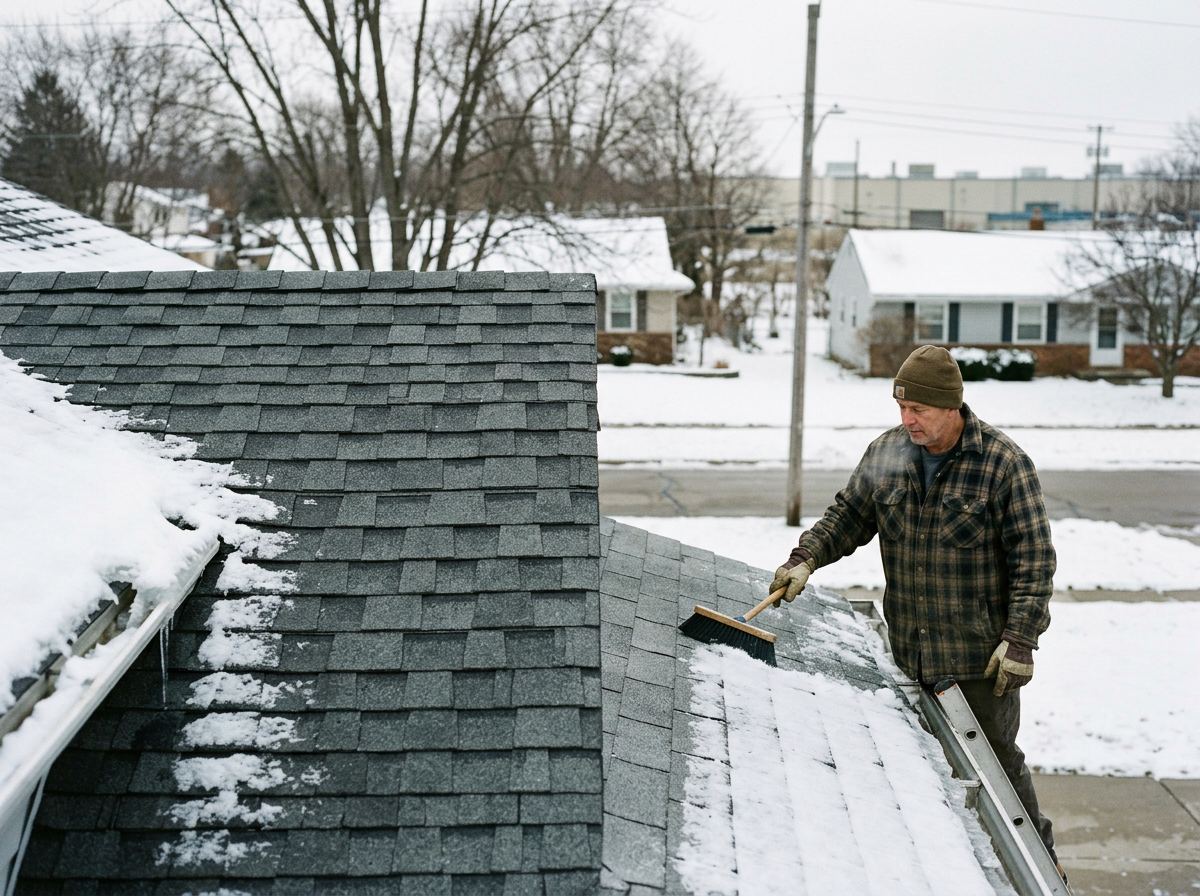
Architectural shingles handle Michigan winters better than 3-tab shingles because their laminated layers provide greater resistance to wind uplift and ice expansion along the roof surface in Troy and surrounding Oakland County neighborhoods.
Performance in Cold Temperatures
Architectural shingles maintain structural integrity when winter temperatures drop below freezing because the extra layers reduce cracking from repeated freeze-thaw cycles that affect thinner 3-tab products. Homeowners in areas near the Rochester Road Corridor or Big Beaver often notice 3-tab shingles develop brittleness faster during extended cold snaps. The added weight of architectural shingles also helps them stay seated when snow accumulates on roofs around the Somerset Collection and Troy Historic Village. In contrast, 3-tab shingles can lift at the edges more readily once ice forms underneath. Checking for granule loss along eaves after the first hard freeze gives Troy residents an early sign of which material is holding up. Local roofers familiar with Oakland County conditions recommend inspecting the ridge and valley areas first since those spots experience the most thermal movement.
Wind and Snow Load Resistance
Architectural shingles secure more firmly to the deck in high-wind events that reach Troy from the northwest because their textured surface and heavier construction create better hold-down points. 3-tab shingles, with their single-layer design, can experience more fluttering when gusts move across open fields near Oakland Mall. Snow loads common in Oakland County press down on both types, yet architectural shingles distribute that weight across multiple laminations without deforming the underlying felt as quickly. Residents along the Rochester Road Corridor see fewer instances of edge lifting on architectural installations after winter storms. A practical check involves walking the perimeter after heavy snow and looking for any tabs that have shifted out of alignment. Linking to detailed guidance on ice formation helps homeowners understand how wind-driven snow turns into larger problems over time.
Ice Dam Formation and Prevention
Ice dams form along the eaves of many Troy homes when heat escapes through the attic and melts snow that then refreezes at the colder gutter line. Architectural shingles create a slightly thicker barrier that slows water migration under the shingle edges during these events compared with 3-tab products. Homeowners near Birmingham and Royal Oak report fewer leaks when architectural shingles are paired with proper ventilation. 3-tab shingles allow water to travel farther under the tabs once an ice dam builds because their thinner profile offers less resistance. Regular checks of attic insulation levels before winter arrives reduce the temperature differential that causes dams in the first place. For existing damage, ice dam damage repair addresses the immediate issue while How Ice Dams Damage Michigan Roofs explains long-term prevention steps specific to the region.
Choosing the Right Option for Local Homes
Troy homeowners weighing the two materials for replacement projects should examine the existing roof slope and exposure to prevailing winds before deciding. Architectural shingles suit homes with steeper pitches common in neighborhoods around Somerset because the added thickness improves water shedding during spring thaws. 3-tab shingles remain an option for lower-slope sections or outbuildings where wind exposure stays minimal. Architectural shingles provide the durability most Oakland County properties need when full asphalt shingle roof replacement becomes necessary. Checking ventilation intake and exhaust points each fall ensures either material performs as intended through the season. When Should Troy Homeowners Replace Their Roof outlines timing considerations based on visible wear rather than calendar years.